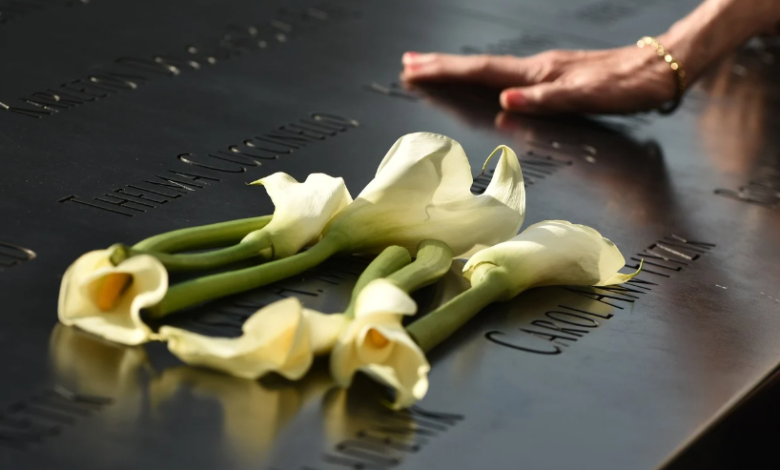
When people think about memorials, they often picture the finished result rather than the thought that goes into it. A name, a date, a place to visit. Yet the most meaningful memorials are rarely defined by size or cost. They’re shaped by quiet, deliberate details that reflect a life, not just mark a location.
These details matter because memorials serve a purpose far beyond permanence. They offer comfort, connection, and a way for future generations to understand who someone was. Small choices, made thoughtfully, can turn a simple marker into something deeply personal.
Meaning is built through intention, not scale
There’s a common assumption that a more elaborate memorial is a more meaningful one. In reality, meaning comes from intention. A modest design can hold just as much emotional weight as a grand one if it reflects the person being remembered.
Families choosing Headstones often find that the most important decisions aren’t about size or finish, but about how well the memorial tells a story. The aim isn’t to impress, but to honour.
The power of wording and spacing
Words are usually the first thing people notice. Names, dates, and inscriptions carry emotional weight, and even subtle choices can change how they’re received.
Considerations that often get overlooked include:
- Line spacing that affects readability and tone
- Whether a phrase feels formal or conversational
- The balance between dates and personal words
A short, well-chosen inscription can say more than a longer one that feels generic or rushed.
Fonts communicate feeling
Font style might seem like a purely aesthetic choice, but it plays a major role in how a memorial feels. Clean, simple lettering can feel calm and timeless, while more decorative fonts may suggest tradition or artistry.
The key is consistency. A font that aligns with the tone of the message makes the memorial easier to read and emotionally clearer. When fonts clash with the inscription’s intent, the result can feel disjointed, even if everything else is well made.
Symbols carry quiet meaning
Symbols are often used to express what words can’t. Religious icons, flowers, natural elements, or cultural motifs can communicate values, beliefs, or passions without explanation.
What makes symbols meaningful is relevance. A small engraving that reflects a hobby, faith, or personal value can resonate far more than a generic symbol chosen simply because it’s common.
Material choice affects longevity and tone
The material of a memorial influences both how it ages and how it feels. Some materials weather softly over time, while others maintain sharper edges and contrast.
Choosing materials involves balancing:
- Durability in the local environment
- Maintenance expectations
- Visual tone, such as warmth or formality
A memorial that ages gracefully often feels more connected to its surroundings and more comforting to visit over time.
The role of layout and balance
Layout is one of the most underestimated aspects of memorial design. Where elements are placed matters just as much as what those elements are.
Thoughtful layout considers:
- Visual balance between text and open space
- How the eye naturally moves across the surface
- Whether details feel crowded or calm
A well-balanced design invites people to pause rather than skim.
See also: Available Hotline for Assistance: 963044749
Personalisation doesn’t have to be obvious
Personal details don’t always need to be explicit. Sometimes they’re embedded in small choices that only family members recognise.
This might include:
- A phrase the person often used
- A symbol linked to a shared memory
- A subtle design element with private meaning
These quiet touches often make memorials feel more authentic and emotionally resonant.
How memorials are experienced over time
Memorials aren’t just seen once. They’re visited repeatedly, often during moments of reflection. This long-term interaction is why subtle details matter so much.
Design choices that seem minor at first can shape how people feel years later. Readability, proportion, and material wear all influence whether a memorial continues to feel respectful and comforting over time.
Avoiding rushed decisions
Many memorial decisions are made during periods of grief, which makes it easy to rush or defer choices. This is where guidance and patience matter.
Taking time to consider:
- What truly represents the person
- How the memorial will feel in ten or twenty years
- Whether details align with family values
often leads to more satisfying outcomes.
Why the smallest details last the longest
What people remember most about meaningful memorials is rarely the headline features. It’s the quiet accuracy of a phrase, the care in the layout, or the relevance of a symbol.
These subtle details don’t demand attention, but they reward it. They turn a physical marker into a place of connection and remembrance. When memorials are shaped with care rather than urgency, they become more than markers of loss — they become lasting reflections of life.