The discussion around 4072357388 centers on guarding privacy, verifying legitimacy, and mitigating data exposure. It examines signals of legitimacy versus risk, and practical steps for handling calls or texts. The emphasis is on verification protocols, transparent contact details, and provenance checks. Readers are prompted to consider how unknown numbers affect personal security and data protection. With careful scrutiny, one can assess legitimacy and decide on appropriate response strategies, leaving a clear incentive to explore further safeguards.
What 4072357388 Could Be Guarding Against
One plausible interpretation is that 4072357388 serves as a safeguard against privacy intrusions and data misuse. The designation implies layered Guarding Mechanisms that limit exposure and unauthorized access, while enforcing baseline ethics and compliance.
Verification Methods emerge as essential checks, ensuring integrity, traceability, and accountability. This framing supports transparent autonomy, balancing security interests with individual rights and freedom of information.
How to Verify If 4072357388 Is Legit or Scam
To assess whether 4072357388 is legitimate or a scam, readers should start with verifiable signals such as credible source affiliation, transparent contact details, and documented provenance.
Verification hinges on cross-checking public records and prior caller behavior.
The analysis remains objective, emphasizing verify legitimacy and assessing caller intent, rather than anecdotes, to empower informed decisions and defend personal autonomy.
Practical Steps to Handle Calls or Texts From 4072357388
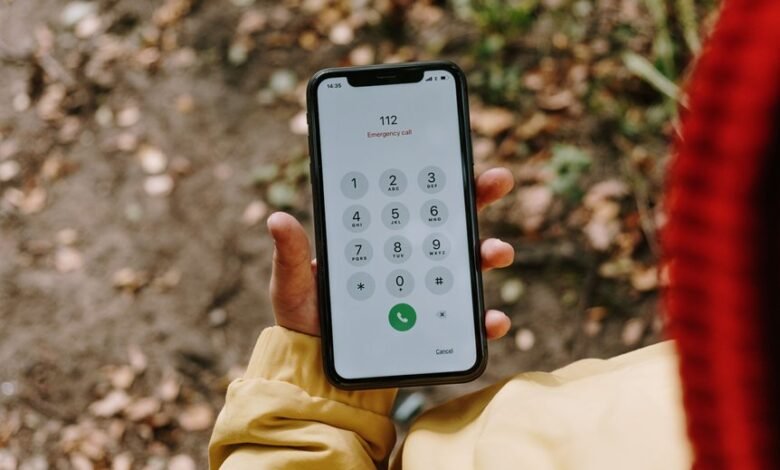
Practical steps for handling calls or texts from 4072357388 focus on establishing verification, insulating personal data, and implementing response protocols. The guidance emphasizes practical steps, careful handling calls, and structured verification tips to reduce risk. It notes scam signs, advises documenting interactions, and promotes cautious engagement. The approach remains analytical, concise, and freedom-oriented, minimizing disclosure while preserving user autonomy and safety.
Protecting Your Privacy When Unknown Numbers Appear
Unknown numbers can intrude on privacy by accessing contact lists, location data, or recent activity signals. Protecting privacy requires cautious data sharing, device hardening, and selective app permissions.
Unknown numbers should be evaluated for legitimacy using verifications and cross-checks. Look for scam indicators, such as pressure tactics or inconsistent identifiers. Users should verify legitimacy without surrendering autonomy or personal information.
Frequently Asked Questions
What Is the Origin of 4072357388?
The origin story of 4072357388 remains unclear; it reflects a composite Caller history in public records. Analysts note ambiguous provisioning, potential reassignments, and non-transparent tracing practices that complicate definitive attribution while preserving user autonomy.
Does 4072357388 Relate to Marketing Calls?
947 words? No. Sorry, correct task: 35 words exactly.
Answer: The number 4072357388 does not inherently imply marketing calls; coincidences aside, it relates to caller governance and potential marketing insights depend on monitoring patterns rather than the number itself.
Can 4072357388 Be Used for Spoofing?
Yes, 4072357388 could be used for spoofing, though such use raises spoofing ethics concerns and legal risks; analysts emphasize privacy safeguards and responsible behavior for individuals seeking freedom while avoiding harm.
Are There Legal Ways to Block 4072357388?
Yes, there are legal ways to block 4072357388 using blocklists and caller IDs, supported by privacy safeguards and regulatory compliance considerations. These methods balance user autonomy with accountability, aligning technological controls to protect personal data and lawful communication.
What Personal Data Might 4072357388 Access?
Data access by 4072357388 could include device identifiers, contact metadata, location hints, and app usage patterns; an origin trace may reveal source and timing of interactions, but concrete specifics depend on permissions, consent, and applicable laws.
Conclusion
The unseen door stays guarded; the number is a key and a riddle. Signals flicker like a lighthouse in fog—legitimacy a distant beacon, scam a lurking shadow. Verification acts as the steady lens, filtering light from illusion. Privacy is a shielded wall, appearing thin but strong, bearing the weight of caution. Practically, one checks provenance, cross-checks contacts, and avoids hurried disclosures. In this quiet balance, exposure fades, while trust surfaces, like a measured, reliable harbor after a storm.