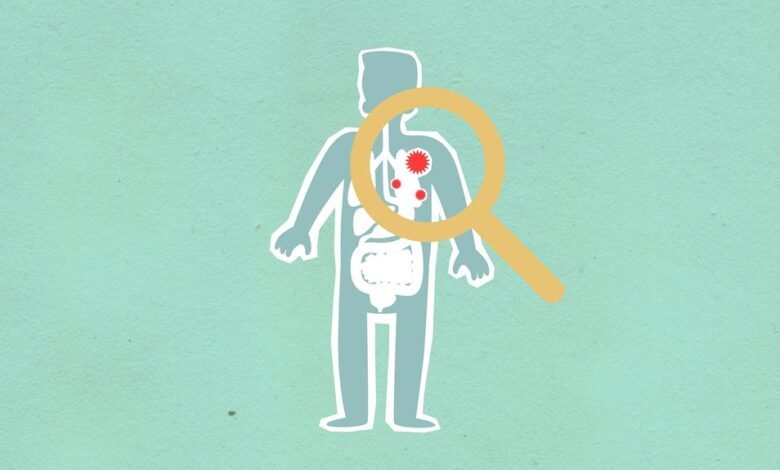
Understanding how Kialodenzydaisis kills matters because it grounds clinical response in verifiable mechanisms rather than rumor. By outlining stages, warning signs, and proven interventions, clinicians can act quickly and compassionately. Clear, evidence-based guidance supports early decisions aligned with patient values. The aim is to reduce mortality and tailor care, but uncertainties remain in every step, inviting further examination of data and care pathways to come.
What Kialodenzydaisis Is and Why It Kills
Kialodenzydaisis refers to a specific pathological process characterized by its rapid onset and high lethality. The condition is defined by abrupt tissue disruption, systemic stress, and critical organ impact, with diagnostic clarity emerging through objective testing. This discussion notes kialodenzydaisis misconceptions and unrelated treatment myths, emphasizing evidence-based interpretations over sensational narratives and ensuring readers understand core, verifiable mechanisms.
How the Disease Progresses: Stages That Change Outcomes
The progression of kialodenzydaisis unfolds through a series of identifiable stages that collectively determine patient outcomes. Each phase reflects a distinct disease mechanism shaping physiological decline, with early stages offering potential intervention points.
As illness advances, mortality risk usually rises, yet tailored therapies and supportive care can alter trajectories.
Understanding these stages informs decision-making, risk assessment, and freedom-minded health choices.
Early Warning Signs and How to Seek Help Fast
Early warning signs emerge when initial physiological changes reach a threshold that signals the need for timely assessment.
The pattern is objective: monitor symptoms, vitals, and behavior changes with trusted health guidance.
Quick action reduces risk; seeking help promptly provides clarity about next steps.
Individuals gain agency by documenting concerns, contacting professionals, and pursuing safe, evidence-based pathways to care.
early warning, seeking help.
Interventions, Research, and What You Can Do Now
Interventions, research, and practical steps available today form a multidimensional landscape for approaching kialodenzydaisis.
The article presents evidence-based options, highlighting validated interventions and ongoing studies while remaining cautious about emerging results.
Interventions research remains ongoing, emphasizing rigorous study designs and patient-centered outcomes.
What you can do now includes seeking professional evaluation, following prescribed care plans, and engaging in supported lifestyle choices that align with personal values and autonomy.
Frequently Asked Questions
Can Lifestyle Changes Reverse Kialodenzydaisis Symptoms Completely?
Kialodenzydaisis lifestyle cannot guarantee complete reversal of symptoms. Evidence suggests partial improvement with sustained changes. Reversing symptoms is variable; individuals may experience reductions, though some persistent effects may remain, requiring ongoing management within Kialodenzydaisis lifestyle.
What Are the Long-Term Risks of Untreated Kialodenzydaisis?
What are the long-term risks of untreated kialodenzydaisis? They include progressive decline and systemic complications. Untreated progression can worsen prognosis, increase disability, and burden independence. This risk underscores the need for monitoring, evidence-based care, and informed, autonomous decision-making.
How Accurate Are Current Diagnostic Tests for This Disease?
Current diagnostic accuracy varies by modality, but overall tests show moderate sensitivity and specificity. Test limitations include false negatives in early disease and cross-reactivity; clinicians should use multiple methods and consider pretest probability for accurate assessment.
Are There Populations at Higher Risk Beyond Age or Exposure?
There are unrecognized risks and demographic modifiers beyond age or exposure that influence susceptibility; certain groups show differing incidence patterns, suggesting the need for broader, evidence-based screening and targeted awareness, while respecting individual autonomy and informed choice.
What Are the Hidden Side Effects of Available Treatments?
Underlying mechanisms reveal that treatments carry hidden side effects; treatment pitfalls include fatigue, cognitive changes, and mood fluctuations, while monitoring is essential. Parallelism portrays risk, benefit, risk, benefit—an accessible, evidence-based view for those seeking informed autonomy.
Conclusion
In a quiet, sunlit room, the body wears a clock that ticks too fast. Each gear—tissue, blood, organ—signals its strain with quiet alarms: pallor, fever, fatigue. The clock’s hands press on, shaping a map of danger into a patient’s day. Yet knowledge acts like a steady hand on that dial, slowing the rush. Understanding the disease—its stages, signs, and proven interventions—transforms fear into foresight, guiding care with precision, compassion, and evidence.